



Managing Carpal Tunnel Syndrome with Chiropractic care

What is Carpal Tunnel Syndrome?
As a chiropractor, I frequently encounter patients seeking relief from Carpal Tunnel Syndrome (CTS), in this blog, I will explain into what carpal tunnel is, its causes, and how chiropractic care can provide effective solutions.
Carpal Tunnel Syndrome (CTS) occurs when the median nerve, which runs from the forearm to the hand, becomes compressed or pinched as it passes through the “carpal tunnel” in the wrist. This leads to a range of symptoms such as pain, tingling, numbness, and weakness in the hand and fingers.
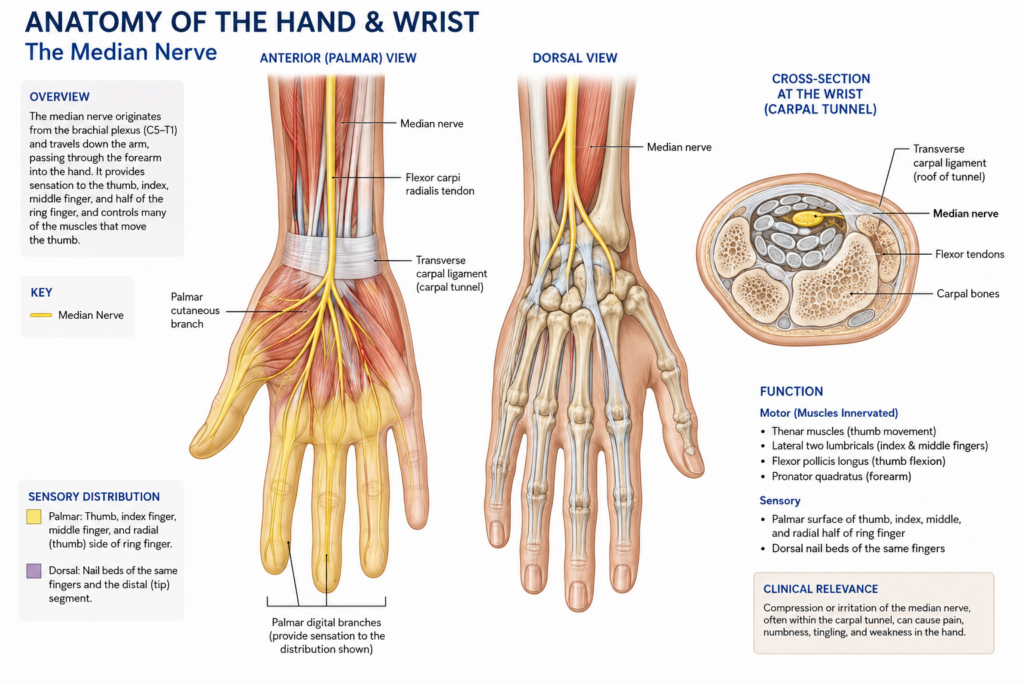
CTS is more common than many people realize — current research estimates it affects somewhere between 5% and 16% of the general population, with women affected roughly twice as often as men.
What Causes Carpal Tunnel Syndrome?
When the tissue surrounding the carpal tunnel (a narrow passageway formed by the bones and ligaments of the wrist) becomes swollen or inflamed, they can exert pressure on the median nerve, resulting in the symptoms associated with CTS. It most commonly affects individuals engaged in repetitive hand and wrist motions, such as office workers, assembly line workers, musicians, and gamers.
What are factors contributing to the development of carpal tunnel syndrome?
- Repetitive Movements: Engaging in continuous and repetitive hand movements, especially without proper ergonomic support, can strain the wrist and lead to CTS.
- Trauma or Injury: A wrist injury or fracture can cause swelling and impede the proper functioning of the carpal tunnel.
- Anatomical Factors: Some people have a naturally narrower carpal tunnel, increasing the likelihood of compression on the median nerve.
- Fluid Retention: Fluid retention, commonly experienced during pregnancy or due to other medical conditions, can also contribute to the onset of CTS.
- Medical Conditions: Certain health conditions like arthritis, diabetes, and thyroid dysfunction can increase the risk of developing CTS.
How can Chiropractic care help Carpal Tunnel Syndrome?
Chiropractic care offers a non-invasive, drug-free approach to managing and alleviating the symptoms of carpal tunnel syndrome. By focusing on the alignment of the spine (What is Chiropractic?) and other joints, chiropractors address the root causes of nerve compression and provide effective relief.
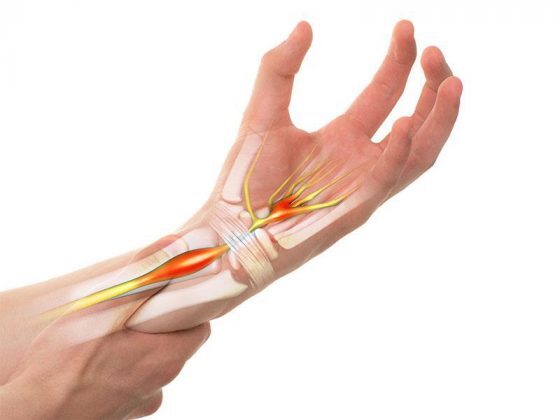
Here’s how chiropractic care can help:
- Spinal and Extremity Adjustments: Chiropractors are skilled in performing adjustments that realign the spine and extremities, including the wrists. By reducing joint restrictions and improving mobility, pressure on the median nerve can be relieved.
- Soft Tissue Therapy: Chiropractors may use various soft tissue techniques, such as massage, myofascial release, and trigger point therapy, to reduce inflammation and promote healing in the affected area.
- Ergonomic Advice: Chiropractors can provide valuable ergonomic guidance, recommending proper hand and wrist positioning, as well as workstation setup to prevent exacerbating CTS symptoms. (For a deeper dive on setting up a spine- and wrist-friendly workspace, see our Desk Ergonomics guide.)
- Stretching and Strengthening Exercises: Chiropractors can design personalized exercise programs to strengthen the muscles around the wrist and hand, improving stability and reducing strain. (See “upper-cross Syndrome blog for more information.)
- Lifestyle Modifications: Chiropractors may suggest lifestyle changes to help manage CTS, such as incorporating regular breaks during repetitive tasks and adopting wrist-friendly practices.
- Complementary Therapies: Some chiropractors may integrate complementary therapies like acupuncture or ultrasound to enhance the effects of treatment and promote faster healing.
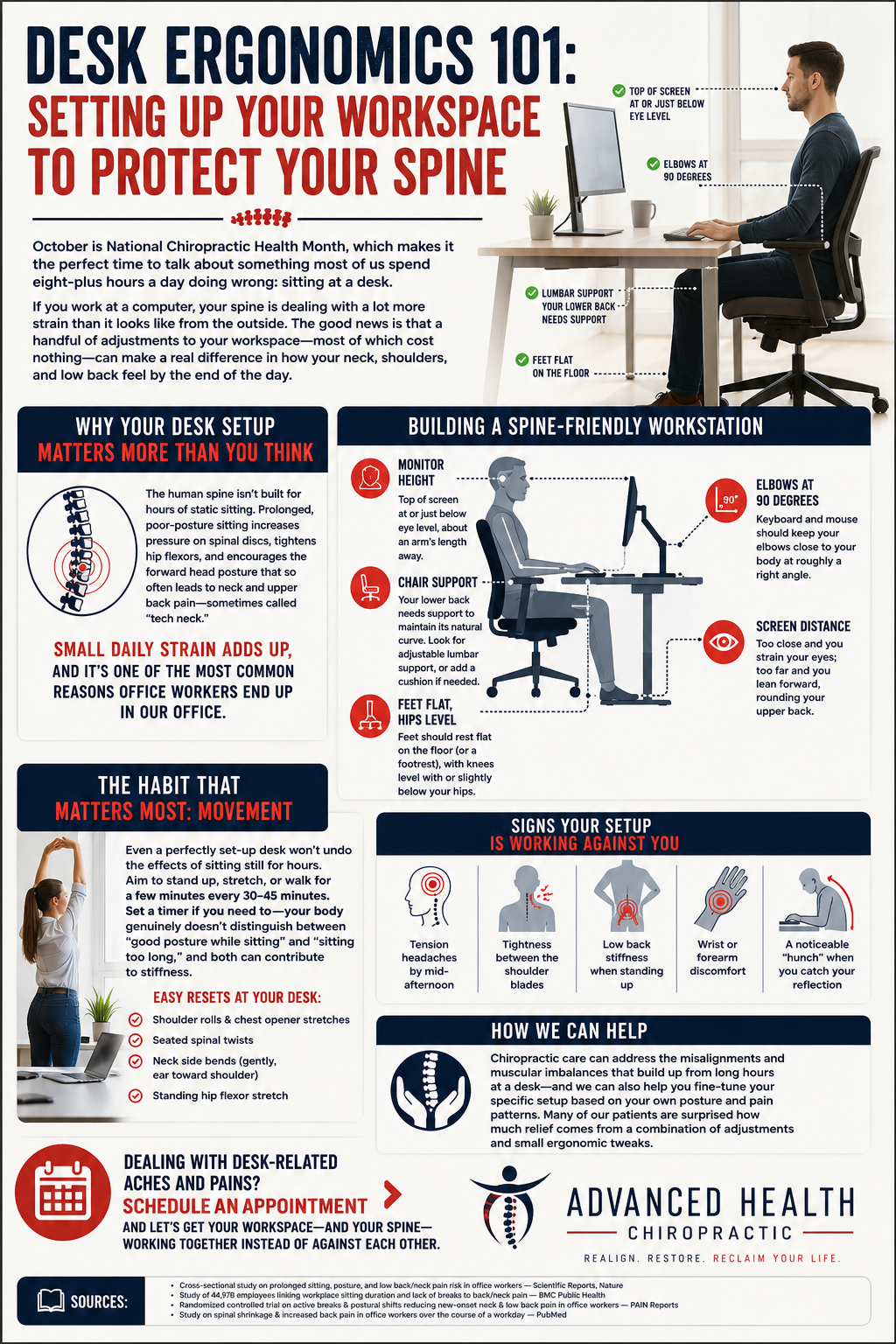
When to See a Doctor Right Away
Most CTS cases develop gradually and respond well to conservative care, but a few warning signs mean it’s time to get evaluated promptly:
- Rapidly worsening numbness or weakness
- Noticeable muscle wasting at the base of the thumb
- Symptoms that don’t improve after several weeks of conservative care
- Loss of fine motor control (dropping objects, trouble with buttons or zippers)
Carpal Tunnel Syndrome can significantly impact one’s quality of life, affecting their ability to perform daily tasks and work-related activities. While there are various treatment options available, chiropractic care stands out as a safe and effective approach to address the underlying causes of CTS and provide lasting relief. Through spinal and extremity adjustments, soft tissue therapy, and lifestyle modifications, chiropractors can help patients find relief from pain and regain functional use of their hands and wrists.
Dealing with wrist or hand discomfort? Schedule an appointment and let’s take a look.

— Dr. B
Sources:
- Global and regional prevalence meta-analysis of Carpal Tunnel Syndrome — Musculoskeletal Care, Wiley (2024)
- U.S. prevalence estimates of wrist pain and CTS symptoms in the adult population — PMC
This post was originally published August 7, 2023, and has been updated with current research and expanded guidance.